Wonder Day: A Retro Handwritten Font That Brings Creativity to Life
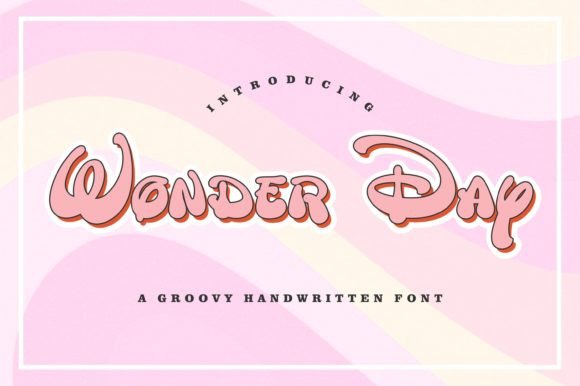
In a world increasingly dominated by digital precision and sleek typography, there's a growing appreciation for the warmth and personality of handwritten fonts. One such font that has captured the attention of designers, marketers, and creators is Wonder Day. This retro handwritten font offers a unique blend of nostalgia and modernity, making it a standout choice for those looking to add character and authenticity to their projects.
Wonder Day draws inspiration from the iconic Walt Disney font, known for its playful yet refined style. This connection to a beloved cultural touchstone gives Wonder Day an instant sense of familiarity and charm. Whether you're designing a logo, creating social media content, or developing a brand identity, Wonder Day can help your work stand out in a sea of generic typefaces.
The Rise of Handwritten Typography in Modern Design
Handwritten typography has seen a resurgence in recent years, driven by a desire for more personal and authentic communication. In an era where automation and artificial intelligence are becoming commonplace, the human touch in design is more valuable than ever. Fonts like Wonder Day offer a way to infuse projects with a sense of individuality and creativity.
This trend aligns with broader shifts in consumer behavior. Today’s audiences are more discerning and seek experiences that feel genuine and meaningful. A well-chosen font can play a crucial role in conveying that authenticity. For instance, a small business owner might use Wonder Day on their website or marketing materials to create a more approachable and friendly brand image.
Why Wonder Day Stands Out
What sets Wonder Day apart from other handwritten fonts is its balance between retro charm and contemporary usability. The font retains the organic flow and imperfections of hand-drawn lettering while maintaining clarity and readability. This makes it suitable for a wide range of applications, from casual projects to professional designs.
Its versatility is one of its greatest strengths. Wonder Day can be used in everything from packaging design and signage to digital illustrations and editorial layouts. Its ability to adapt to different contexts makes it a valuable tool for designers who want to maintain a cohesive visual language across multiple platforms.
Applications Across Industries
Wonder Day's appeal extends beyond the design community. Educators, for example, might use it to create engaging lesson plans or classroom materials that capture students' attention. The font's whimsical nature can make learning more enjoyable and interactive, especially for younger audiences.
Entrepreneurs and small business owners can also benefit from using Wonder Day. In a competitive market, standing out is essential. By incorporating this font into their branding, businesses can differentiate themselves and create a memorable identity. A bakery, for instance, could use Wonder Day on its menus and packaging to evoke a sense of charm and tradition.
Integrating Wonder Day Into Your Workflow
For professionals looking to incorporate Wonder Day into their workflow, the process is straightforward. Most design software, including Adobe Creative Suite and Canva, supports custom fonts, making it easy to access and apply Wonder Day to various projects. Additionally, many platforms offer free trials or affordable licensing options, allowing users to experiment without significant financial risk.
When using Wonder Day, it's important to consider the context and audience. While the font works well for creative and informal settings, it may not be appropriate for formal or corporate environments. Understanding the tone and message of your project will help you determine whether Wonder Day is the right choice.
Embracing the Nostalgia Factor
Nostalgia plays a powerful role in design, and Wonder Day taps into that sentiment effectively. The font's retro aesthetic evokes memories of classic cartoons, vintage posters, and timeless storytelling. This emotional connection can resonate with audiences, creating a sense of comfort and familiarity.
For brands looking to connect with older demographics, Wonder Day can serve as a bridge between past and present. It allows companies to honor traditional values while still appearing relevant and innovative. This duality can be particularly effective in industries such as food, entertainment, and lifestyle, where heritage and modernity often coexist.
Practical Tips for Using Wonder Day
If you're new to using handwritten fonts, here are a few tips to get started:
- Start with small projects: Use Wonder Day on a single element, such as a headline or logo, before applying it to larger designs.
- Pair it with complementary fonts: Combine Wonder Day with a clean, sans-serif font to create contrast and balance.
- Test readability: Ensure that the font remains legible at different sizes and in various formats, such as print and digital media.
- Consider the message: Align the font's style with the overall tone and purpose of your project.
Looking Ahead: The Future of Handwritten Typography
As design continues to evolve, the demand for personalized and expressive typography is likely to grow. Fonts like Wonder Day reflect a broader movement toward authenticity and creativity in the digital age. By embracing these trends, professionals can stay ahead of the curve and deliver work that resonates with their audiences.
Ultimately, the key to successful design lies in understanding your audience and choosing the right tools to communicate your message. Wonder Day offers a unique opportunity to do just that, combining the best of retro inspiration with modern functionality. Whether you're a seasoned designer or a creative enthusiast, adding Wonder Day to your toolkit can help bring your ideas to life in a fresh and compelling way.