Prunellia Monogram: A Timeless Font for Elegant Designs
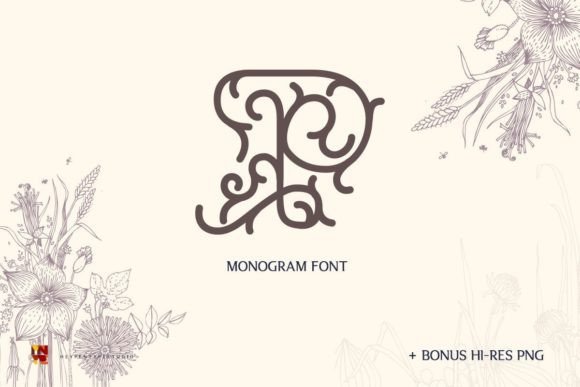
Prunellia Monogram is a distinctive font tailored for embroidery, crafting, and logo design. Its intricate Victorian floral pattern exudes a sense of elegance and luxury, making it a popular choice for projects that require a refined aesthetic. Whether used in wedding invitations, luxury brand packaging, or handmade crafts, Prunellia Monogram offers a unique visual appeal that can elevate any design.
What Is Prunellia Monogram?
Prunellia Monogram is a specialized font created with the intention of enhancing decorative and artisanal projects. Unlike standard fonts, which are primarily designed for digital readability, Prunellia Monogram is optimized for applications where visual detail and historical style are important. The font features ornate flourishes and floral motifs that reflect the aesthetics of the Victorian era, providing a vintage-inspired look that stands out from more modern typefaces.
Its design makes it particularly well-suited for use in embroidery, where the complexity of the characters can translate into detailed stitch patterns. It is also commonly used in logo creation, especially for businesses aiming to convey sophistication and tradition. The font’s structure allows for flexibility in both digital and physical formats, though its effectiveness may vary depending on the medium and application.
Reasons to Consider Prunellia Monogram
For individuals involved in creative or artisanal work, Prunellia Monogram offers several advantages. Those working on wedding-related projects, such as custom invitations, table numbers, or signage, may find the font appealing due to its romantic and timeless feel. Similarly, designers creating branding materials for luxury goods, such as high-end fashion, jewelry, or home décor, might choose this font to reinforce a sense of exclusivity and craftsmanship.
The font’s Victorian influence also appeals to those interested in historical or period-specific designs. For example, it could be used in costume design, themed events, or heritage-related projects. Additionally, hobbyists engaged in hand embroidery, cross-stitch, or other textile arts may appreciate the font’s ability to translate into detailed stitching patterns.
Benefits and Tradeoffs
One of the primary benefits of Prunellia Monogram is its visual distinctiveness. Its ornate style sets it apart from more utilitarian fonts, making it ideal for projects that require a strong artistic identity. The font’s floral elements can add depth and character to designs, contributing to a more sophisticated overall appearance.
However, there are tradeoffs to consider. Due to its intricate design, the font may not be as readable in smaller sizes or when used in large blocks of text. This limitation means it is best suited for headings, titles, or short phrases rather than body text. Additionally, the font’s complexity may require more time and effort to implement effectively, especially in digital formats where scalability and legibility are important factors.
Situations Where Prunellia Monogram Excels
Prunellia Monogram is most effective in contexts where visual appeal and historical style are priorities. Wedding planners, for instance, might use the font for custom monograms, ceremony programs, or decorative signage. Luxury brands seeking to differentiate themselves through unique typography could incorporate it into their logos or packaging designs.
Artisans and crafters working with embroidery or textile arts may also find the font valuable. Its design can be adapted into stitch patterns, allowing for personalized and intricate results. In these cases, the font’s ornate details can enhance the final product, adding a touch of refinement that aligns with the project’s goals.
When Alternatives May Be More Suitable
While Prunellia Monogram has many strengths, there are scenarios where alternative fonts may be more appropriate. For example, if clarity and simplicity are essential—such as in user interface design, signage, or instructional materials—a cleaner, more straightforward font might be better suited. In these cases, the ornate nature of Prunellia Monogram could hinder readability and usability.
Additionally, for projects requiring a modern or minimalist aesthetic, the font’s Victorian style may not align with the intended theme. In such instances, alternatives like sans-serif or geometric typefaces could offer a more cohesive visual language. It is also worth considering the target audience; if the design is meant for a younger or more tech-savvy demographic, a more contemporary font might resonate more effectively.
Decision-Making Insights
When evaluating whether to use Prunellia Monogram, it is important to consider the project’s purpose, audience, and medium. If the goal is to create a visually rich and historically inspired design, the font can be an excellent choice. However, if the focus is on clarity, versatility, or modernity, other options may be more appropriate.
Users should also assess how the font performs in different formats. Testing it in both digital and physical applications can help determine its effectiveness. For example, checking how it appears in print versus on a screen can reveal any potential issues with legibility or scalability.
Ultimately, the decision to use Prunellia Monogram depends on the specific needs of the project. By understanding its strengths and limitations, users can make informed choices that align with their creative and functional goals.