Exploring Foxbot: A Handwritten Font for Creative Projects
When it comes to selecting the right font for design projects, the choice can significantly impact the overall aesthetic and effectiveness of the work. One option that has gained attention is Foxbot, a modern and brushed handwritten font. This article explores what Foxbot is, why someone might consider using it, and how it compares to other fonts in terms of suitability for different design needs.
What is Foxbot?
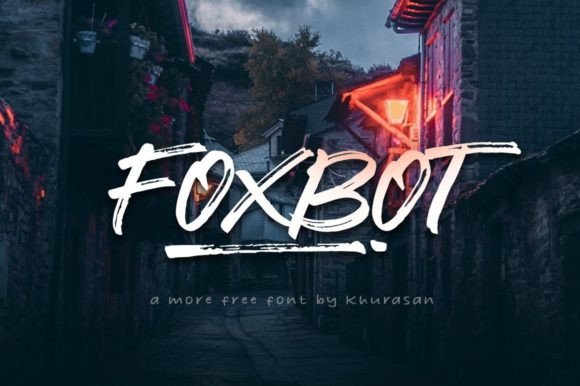
Foxbot is a digital font designed to emulate the look of hand-drawn or brushed lettering. It features a casual, organic style that gives designs a personal and artistic touch. The font is particularly well-suited for projects that aim to convey a sense of creativity, warmth, or informality. Its unique characteristics make it a popular choice among designers looking to add a distinctive flair to their work.
Reasons to Consider Foxbot
There are several reasons why a designer might be drawn to Foxbot. First, its handwritten appearance can help differentiate a design from more traditional, blocky fonts. This makes it ideal for projects that require a more personalized or artisanal feel. Additionally, the font’s versatility allows it to be used across various mediums, including posters, logos, magazines, book covers, and banners.
Another factor is the font’s availability as a free resource. Many designers appreciate the opportunity to access high-quality fonts without cost, which can be especially beneficial for those working on independent or small-scale projects.
Benefits of Using Foxbot
- Unique Visual Appeal: Foxbot adds a distinct character that can enhance the visual interest of a design.
- Flexibility: The font works well in both digital and print formats, making it adaptable to a wide range of applications.
- Free Access: As a free font, it offers value without the need for purchase, which can be appealing for budget-conscious users.
Tradeoffs and Considerations
While Foxbot has many advantages, there are also tradeoffs to consider. One potential limitation is its readability in certain contexts. The brush-like strokes and irregularities in the letterforms may not be as clear as more structured fonts, especially when used in large blocks of text. This means it may not be the best choice for body copy or situations where clarity is paramount.
Additionally, the font’s informal nature may not align with all design goals. For instance, if a project requires a more professional or corporate look, a sans-serif or serif font might be more appropriate. Designers should also consider the target audience and the message they want to convey before choosing Foxbot.
Situations Where Foxbot Excels
- Branding and Logos: Foxbot can add a creative and memorable element to brand identities, especially for businesses aiming to appear approachable or artistic.
- Marketing Materials: Posters, flyers, and banners that benefit from a bold, eye-catching design may find Foxbot to be an effective choice.
- Artistic Projects: Book covers, magazine layouts, and other creative works that emphasize visual storytelling can leverage Foxbot’s unique style.
When Alternatives Might Be Better
There are scenarios where alternative fonts could be more suitable. For example, if a design requires a clean, modern look, a sans-serif font like Helvetica or Arial might be preferable. Similarly, for formal or traditional contexts, a serif font such as Times New Roman or Georgia could be more appropriate.
Designers should also consider the specific requirements of their project. If legibility is a priority, especially for long-form content, a more conventional font may be necessary. In these cases, the benefits of Foxbot’s style may be outweighed by the need for clarity and consistency.
Practical Decision-Making Insights
To determine whether Foxbot is the right choice, designers should evaluate their project’s goals and audience. Testing the font in different contexts can help assess its effectiveness. For instance, creating a sample layout with Foxbot and comparing it to other fonts can provide valuable insights into its suitability.
Additionally, considering the broader design elements—such as color schemes, imagery, and typography hierarchy—can help ensure that Foxbot complements the overall aesthetic rather than conflicting with it.
Conclusion
Foxbot offers a compelling option for designers seeking a handwritten, brushed font that adds a personal touch to their work. Its unique style and free availability make it an attractive choice for creative projects that prioritize visual appeal and individuality. However, its suitability depends on the specific needs of the design, the intended audience, and the desired tone. By carefully evaluating these factors, designers can decide whether Foxbot aligns with their goals or if another font might be a better fit.