Dalathi: A Timeless Calligraphy Script for Elegant Design
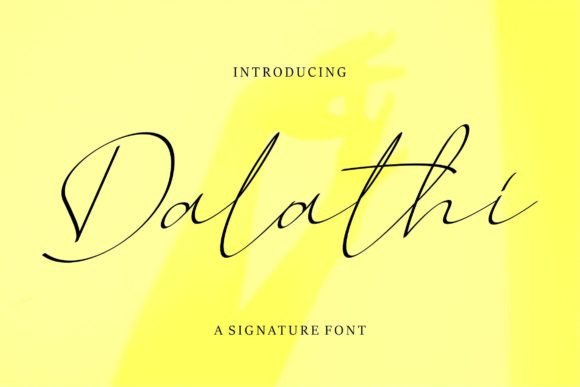
Dalathi is a signature script font that brings a refined calligraphy style to digital design. With its flowing lines and elegant structure, it offers a sophisticated aesthetic ideal for a range of creative applications. Whether you're designing invitations, branding materials, or promotional posters, Dalathi can elevate the visual appeal of your work with its distinctive character.
Designed for professionals and creatives who value both beauty and functionality, Dalathi stands out as a versatile option in the world of typography. Its unique blend of traditional calligraphy elements and modern usability makes it a valuable addition to any designer's toolkit. Understanding how Dalathi performs in different contexts can help determine whether it aligns with your specific needs.
What Makes Dalathi Unique?
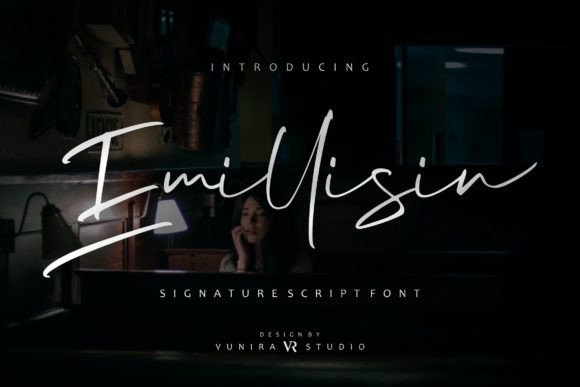
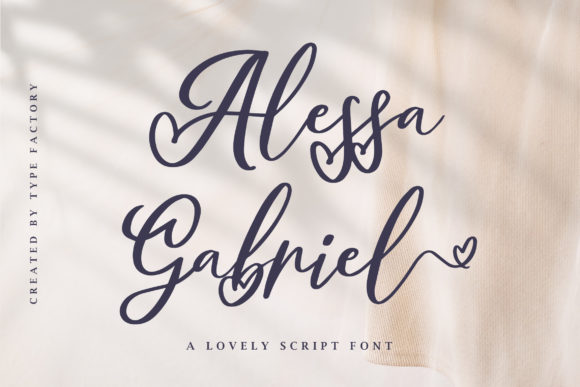
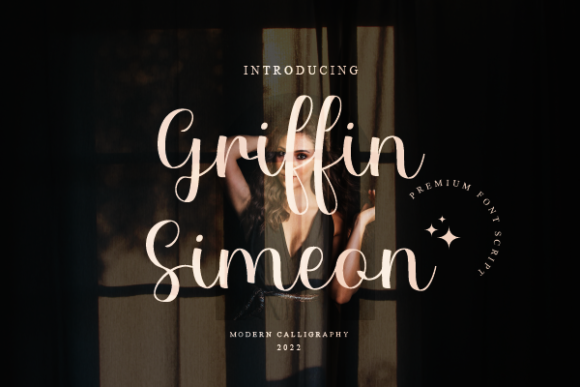
Dalathi distinguishes itself through its handcrafted appearance, which mimics the fluidity of brush strokes. The font’s curves and flourishes give it a personal, artistic touch that feels authentic rather than artificial. This quality makes it particularly well-suited for projects that require a sense of elegance or individuality.
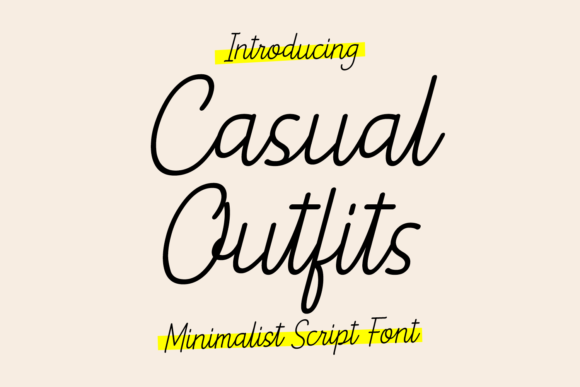
Unlike some generic script fonts, Dalathi maintains clarity and readability even at smaller sizes. This balance between style and legibility ensures that it can be used effectively in various formats, from business cards to large-format posters. Its consistent stroke weight and well-proportioned letters contribute to a polished look that doesn’t sacrifice usability.
Key Characteristics and Practical Applications
The calligraphy style of Dalathi is most effective when used in contexts where visual appeal is a priority. It works exceptionally well on greeting cards, wedding invitations, and personalized stationery, where its ornate details can make a lasting impression. For designers, this means Dalathi can serve as a strong focal point in layouts that require a touch of sophistication.
In branding, Dalathi can be used to create memorable logos or taglines that convey a sense of refinement. Its versatility allows it to complement both modern and traditional brand identities, depending on how it’s paired with other typefaces. When used in conjunction with sans-serif fonts, it can add contrast and visual interest without overwhelming the design.
For digital marketing and social media content, Dalathi can enhance the aesthetics of quotes, banners, and promotional graphics. Its expressive nature makes it ideal for creating eye-catching visuals that stand out in crowded online spaces. However, it’s important to consider the context—using it too frequently or inappropriately may dilute its impact.
Strengths and Limitations
Dalathi excels in scenarios where a personal, artistic touch is desired. Its ability to convey emotion and style makes it a strong choice for creative projects that aim to evoke a sense of luxury or craftsmanship. Additionally, its clean design ensures that it remains readable across different mediums and sizes.
One limitation to consider is its suitability for long blocks of text. While Dalathi is readable in short phrases, it may not be the best option for extended paragraphs. In such cases, pairing it with a more neutral typeface can help maintain clarity and ensure the message is effectively communicated.
Another factor to note is the need for proper licensing. Depending on the intended use, such as commercial projects or large-scale distribution, it’s essential to verify that the font’s license covers those requirements. This ensures that users can incorporate Dalathi into their work without legal complications.
Who Benefits Most from Dalathi?
Entrepreneurs and small business owners looking to establish a unique brand identity will find Dalathi useful for creating custom logos, packaging designs, and marketing materials. Its artistic flair can help differentiate their offerings in competitive markets.
Freelancers and designers working on bespoke projects, such as wedding invitations or custom illustrations, can leverage Dalathi to add a personal touch that resonates with clients. Its adaptability makes it a go-to choice for those who want to express creativity while maintaining professionalism.
Bloggers and content creators can also benefit from using Dalathi in graphic designs for articles, social media posts, or email newsletters. When used strategically, it can enhance the visual storytelling aspect of their work and engage audiences more effectively.
Real-World Performance and Recommendations
In practice, Dalathi performs reliably across different design platforms and software. It is compatible with most design tools, including Adobe Creative Suite, Canva, and Figma, making it accessible to a wide range of users. Its file format options, such as OTF and TTF, ensure that it integrates smoothly into various workflows.
When using Dalathi, it’s recommended to test it in multiple sizes and backgrounds to assess its readability and visual impact. For example, using it on dark backgrounds may alter its appearance compared to light ones, so adjustments might be necessary to achieve the desired effect.
Designers should also consider the audience they are targeting. If the goal is to communicate a message clearly and directly, Dalathi may be better suited for headings or accents rather than body text. Balancing its decorative elements with functional typography can lead to more effective designs.
Long-Term Value and Considerations
Investing in a high-quality font like Dalathi can provide long-term value, especially for professionals who rely on consistent branding and visual identity. Its durability and adaptability make it a reliable choice for ongoing projects and future design needs.
However, it’s important to evaluate whether the font aligns with the overall design direction of a project. While Dalathi is aesthetically pleasing, it may not fit every style or purpose. Exploring alternatives and comparing them against specific design goals can help ensure that the right choice is made.
Ultimately, Dalathi is a powerful tool for those seeking to add a touch of elegance and artistry to their work. Its combination of style and usability makes it a valuable asset for a variety of creative and professional applications. By understanding its strengths and limitations, users can make informed decisions about when and how to incorporate it into their designs.